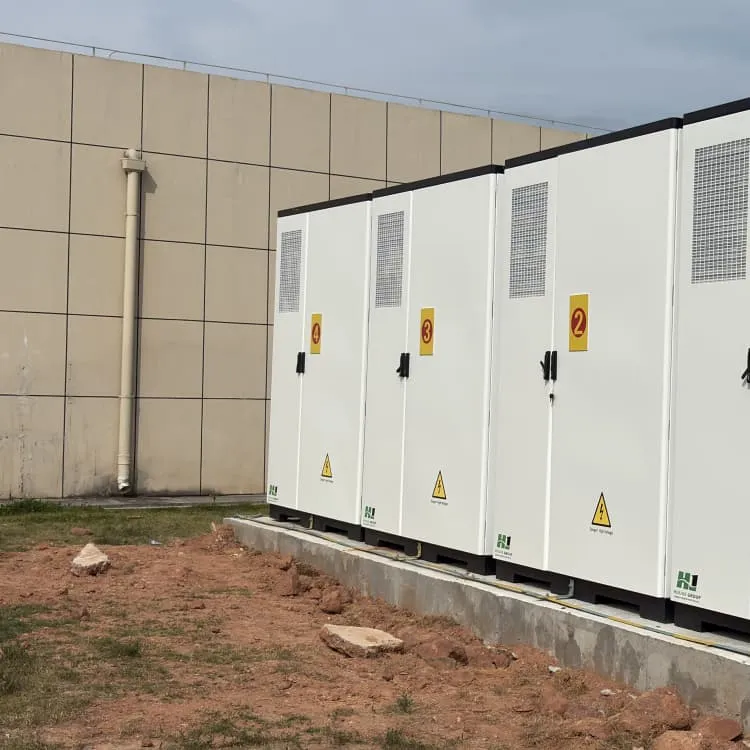
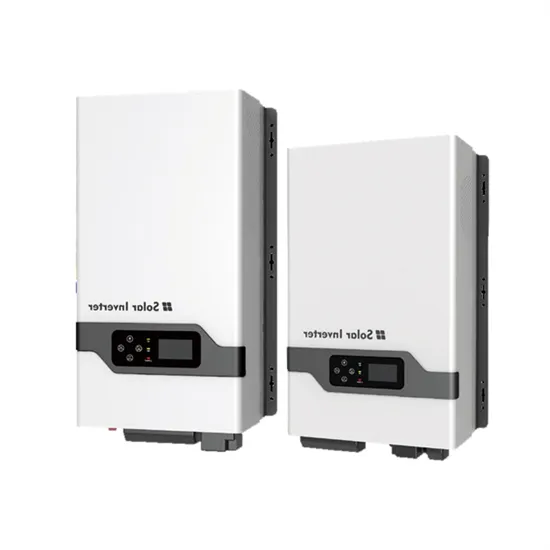
The future of solar energy storage is poised for significant advancements, driven by technological innovations and increasing demand for renewable energy solutions..
The future of solar energy storage is poised for significant advancements, driven by technological innovations and increasing demand for renewable energy solutions..
Solar energy has become more affordable and efficient, making it key to reducing global emissions. The world is facing a climate crisis, with emissions from burning fossil fuels for electricity and heat generation the main contributor. We must transition to clean energy solutions that drastically. .
The article focuses on the future of solar energy storage, highlighting significant advancements expected by 2030. It discusses the increasing efficiency and declining costs of lithium-ion batteries, the integration of artificial intelligence and smart grid technologies, and the growing demand for. .
The future of energy storage is unfolding before our eyes, reshaping how we power our world. It’s like watching the early days of smartphones—we know we’re witnessing something revolutionary, but the full impact is still unfolding. For those wondering where this technology is heading, the trends.
[PDF Version]
In , operates in a flywheel storage power plant with 200 flywheels of 25 kWh capacity and 100 kW of power. Ganged together this gives 5 MWh capacity and 20 MW of power. The units operate at a peak speed at 15,000 rpm. The rotor flywheel consists of wound fibers which are filled with resin. The installation is intended primarily for frequency c.
[PDF Version]
The Jambur Solar Power Station (JSPS), is an operational 23 MW (31,000 hp) in . The power station began commercial operations in March 2024. It is owned and was developed by the government of Gambia, with funding from the European Union, the European Investment Bank and the World Bank. The power generated here is integrated into the Gambian national electricity grid, through the National Water and Electricity Company network.
[PDF Version]

Why do wind and solar need energy storage? 1. Energy storage is essential for wind and solar energy for several key reasons: 1. Intermittency mitigation, 2. Grid stability, 3. Demand-supply alignment, 4. Enhanced energy efficiency..
Why do wind and solar need energy storage? 1. Energy storage is essential for wind and solar energy for several key reasons: 1. Intermittency mitigation, 2. Grid stability, 3. Demand-supply alignment, 4. Enhanced energy efficiency..
Why do wind and solar need energy storage? 1. Energy storage is essential for wind and solar energy for several key reasons: 1. Intermittency mitigation, 2. Grid stability, 3. Demand-supply alignment, 4. Enhanced energy efficiency. Wind and solar power generation are inherently intermittent and. .
While energy is essential to modern society, most primary sources are non-renewable. The current fuel mix causes multiple environmental impacts, including climate change, acid rain, freshwater depletion, hazardous air pollution, and radioactive waste. Renewable energy can meet demand with a much.
[PDF Version]
Where temperatures below about 95 °C (200 °F) are sufficient, as for space heating, flat-plate collectors of the nonconcentrating type are generally used. Because of the relatively high heat losses through the glazing, flat plate collectors will not reach temperatures much above 200 °C (400 °F) even when the heat transfer fluid is stagnant. Such temperatures are too low for
[PDF Version]

While energy is essential to modern society, most primary sources are non-renewable. The current fuel mix causes multiple environmental impacts, including climate change, acid rain, freshwater depletion, hazardous air pollution, and radioactive waste..
While energy is essential to modern society, most primary sources are non-renewable. The current fuel mix causes multiple environmental impacts, including climate change, acid rain, freshwater depletion, hazardous air pollution, and radioactive waste..
Solar energy has become more affordable and efficient, making it key to reducing global emissions. The world is facing a climate crisis, with emissions from burning fossil fuels for electricity and heat generation the main contributor. We must transition to clean energy solutions that drastically. .
Solar and wind not only kept pace with global electricity demand growth, they surpassed it across a sustained period for the first time, signalling that clean power is now steering the direction of the global energy system. Solar gained momentum in regions once seen as peripheral, from Central. .
While energy is essential to modern society, most primary sources are non-renewable. The current fuel mix causes multiple environmental impacts, including climate change, acid rain, freshwater depletion, hazardous air pollution, and radioactive waste. Renewable energy can meet demand with a much.
[PDF Version]