Solar energy has great potential in Brazil, with the country having one of the highest levels of insolation in the world at 4.25 to 6.5 sun hours/day. [4] As of 2019, Brazil generated nearly 45% of its energy, or 83% of its electricity, from renewable sources.OverviewThe total installed in Brazil was estimated at 53.9 GW at February 2025, which consists of about 21.9% of the country's electricity matrix. In 2023, Brazil was the 6th country in the world in terms of installed so. .
In 2016, a factory capable of producing 400 MW of solar panels a year opened in in São Paulo, owned by . A plan to build a solar panel factory in was announced by the Chines. .
In 2021, a number of photovoltaic and financial solutions companies expanded their work in Brazil. Companies such as Absolar, Insole, , Alexandria, and Evolua Energia saw significant growth. In addition, tr.
[PDF Version]
From 2024, following the completion of two new nuclear reactors, Slovakia will return to being a net exporter of electricity. is the largest in . In 2022 Slovakia sought to reduce its reliance on oil from Russia. (Slovak Gas Industry, SPP) is the main natural gas supplier in.
[PDF Version]
In this context, this paper employs scenario analysis to examine the complementary features of wind and solar hybrid systems. Firstly, the study defines two types of complementary indicators that distinguish between output smoothing and source-load matching..
In this context, this paper employs scenario analysis to examine the complementary features of wind and solar hybrid systems. Firstly, the study defines two types of complementary indicators that distinguish between output smoothing and source-load matching..
In this context, this paper employs scenario analysis to examine the complementary features of wind and solar hybrid systems. Firstly, the study defines two types of complementary indicators that distinguish between output smoothing and source-load matching. Secondly, a novel method for generating. .
However, the integration of wind and photovoltaic power generation equipment also leads to power fluctuations in the distribution network. The research focuses on the multifaceted challenges of optimizing the operation of distribution networks. It explores the operation and control methods of. .
To address the challenges posed by the direct integration of large-scale wind and solar power into the grid for peak-shaving, this paper proposes a short-term optimization scheduling model for hydro–wind–solar multi-energy complementary systems, aiming to minimize the peak–valley difference of.
[PDF Version]
Energy in North Korea describes and production, consumption and import in . Primary in North Korea was 224 TWh and 9 TWh per million people in 2009. The country's primary sources of power are and coal after implemented plans that saw the construction of large hydroelectric pow.
[PDF Version]
How much energy does North Korea use?
Primary energy use in North Korea was 224 TWh and 9 TWh per million people in 2009. The country's primary sources of power are hydro and coal after Kim Jong Il implemented plans that saw the construction of large hydroelectric power stations across the country.
Does North Korea have energy security challenges?
Access to solar panels has created capacity where the state falls short, but the overall energy security challenges facing the nation are daunting. This report, “North Korea’s Energy Sector,” is a compilation of articles published on 38 North in 2023 that surveyed North Korea’s energy production facilities and infrastructure.
How does North Korea generate electricity?
Today, the construction of smaller-scale hydropower stations is the main focus of North Korea’s electric generation sector, and numerous projects are taking place across the country. Based on state media reporting, the power being generated is largely used in the region around each power station, helping to even out national power differences.
How does a power station work in North Korea?
The No. 2 station feeds from the water that flows through the dam and the larger station, and this arrangement, according to North Korean media, means it “can operate a generator even in the dry season by using the water from the army-people power station and mountain streams.”
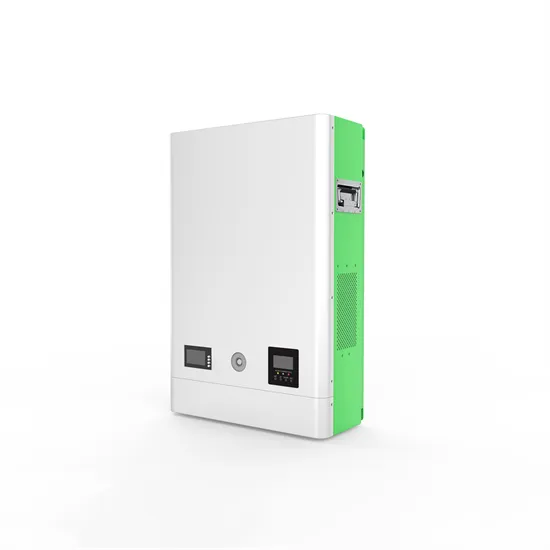
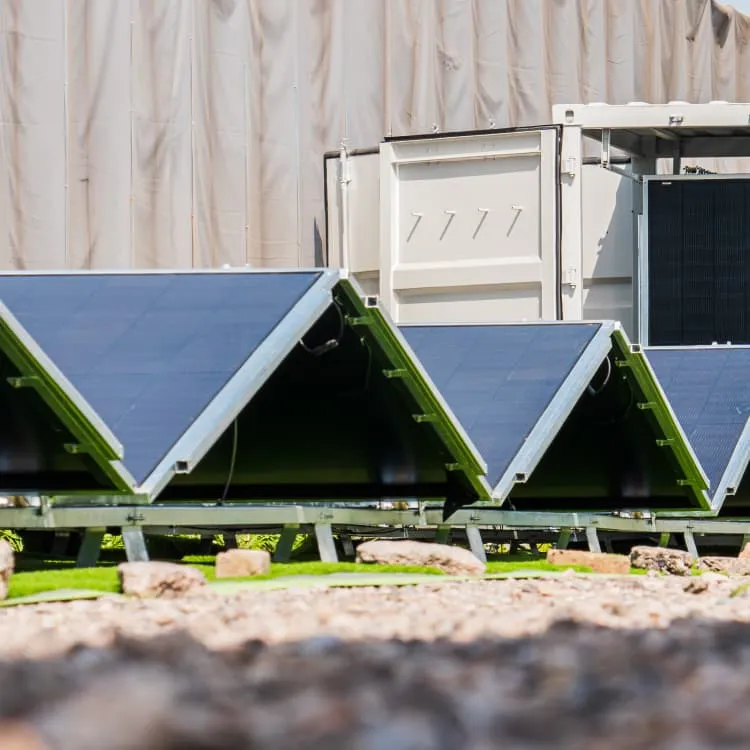
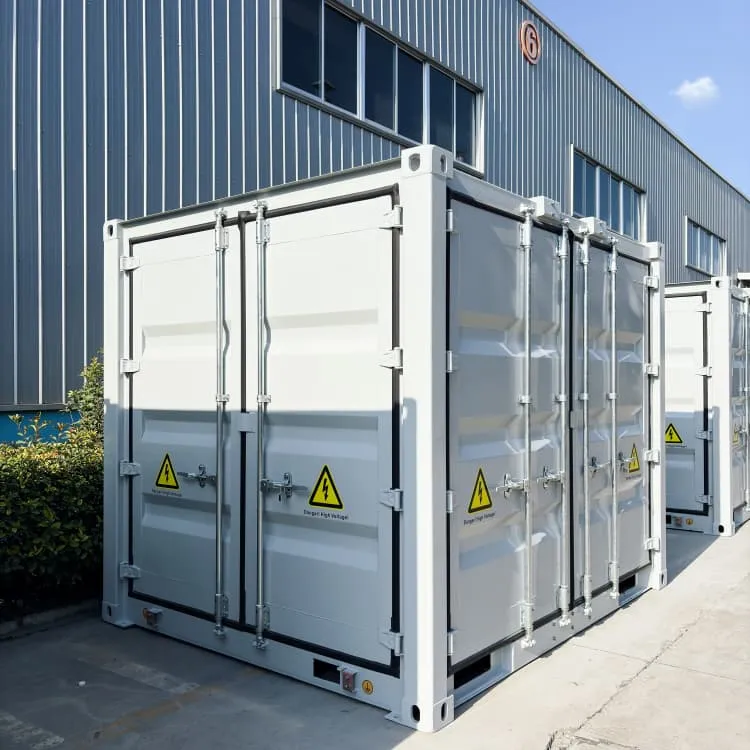
The whole system is plug-and-play, easy to be transported, installed and maintained. It is an one-stop integration system and consist of battery module, PCS, PV controler (MPPT) (optional), control sys.
[PDF Version]
‘Containerized’ infrastructure solutions have the potential to power the needs of under-resourced communities at the Food/Water/Health nexus, particularly for off-grid, underserved, or remote populations. Dra.
[PDF Version]