Stay informed about the latest developments in skid-mounted PV systems, prefabricated photovoltaic containers, containerized energy solutions, and renewable energy innovations across Africa.

Solar panels should be sold with motion sensors, floodlights and fasteners to prevent theft, and these security features should be subsidised by the government. Only 5% of South Africa’s energy comes from solar power while 85% is generated from coal. Loans, more subsidies and security for rooftop solar panels need to be put in place.
South Africa is making efforts to increase the use of solar photovoltaic energy. But it’s happening at a very slow pace. Solar photovoltaic contributes less than 5% to the country’s energy mix, despite the sunny climate, which is very favourable for solar photovoltaic energy generation.
As of 1 January 2016 the South African government gave a tax incentive through the South African Revenue Service for the installation of photovoltaic solar energy generation systems.
Photovoltaic solar systems greater than 1 MW p are depreciated with the schedule 50%, 30%, and 20% in the first 3 years respectively. Despite this aggressive tax incentive, South African companies are slow to adopt grid-connected photovoltaic solar systems due to the lack of public dialogue from the government concerning photovoltaic solar energy.
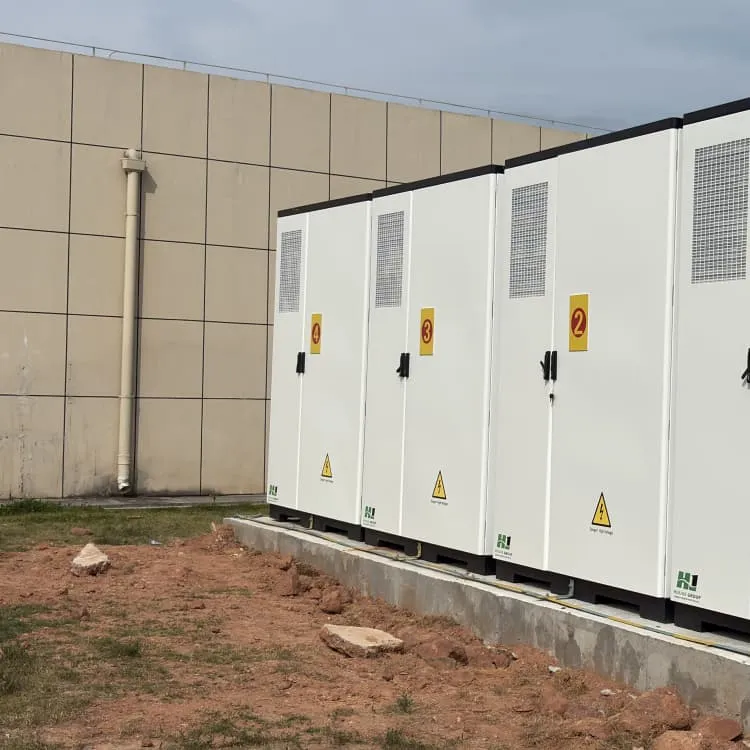
Interesting Black Technology of 5G Radio Frequency 5G base station is the core equipment of 5G network, which provides wireless coverage and realizes wireless signal transmission between wired communication network and wireless terminal. The architecture and shape of base stations directly affect how 5G networks are deployed.
5G base station chips must be compatible with 4G, 5G, and future 6G networks, supporting multi-band and technology standard switching to ensure seamless connection between generations of networks.
The 5G baseband unit is responsible for NR baseband protocol processing, including the entire user plane (UP) and control plane (CP) protocol processing functions, and provides the backhaul interface (NG interface) with the core network and the interconnection interface between base stations (Xn interface ).
As core components, 5G base station chips must meet the following key technical requirements: 1.High Spectrum Efficiency and Large Bandwidth Support 5G networks use a broader range of spectrum resources, particularly the millimeter-wave bands (24 GHz and above).
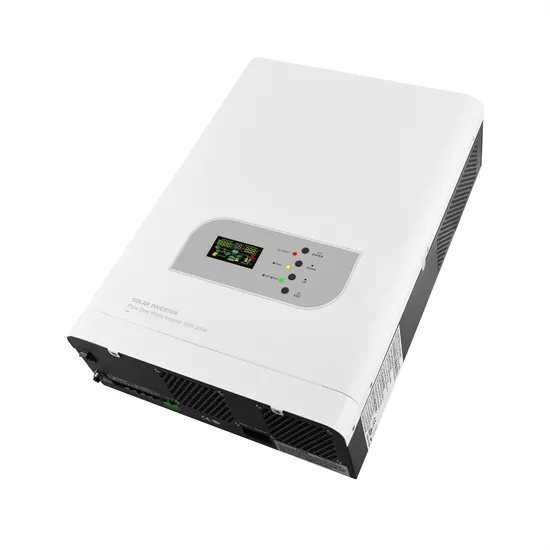
The future of 5G is clear: more base stations, wider coverage, and improved connectivity. Industry forecasts suggest that by 2025, the total number of 5G base stations worldwide will surpass 5 million. This expansion will be driven by ongoing urbanization, demand for high-speed connectivity, and technological advancements.
China is the main competitor of the United States in the race for the title of leader in 5G deployment. By 2024, the Middle Kingdom had installed over 1.2 million 5G base stations and already has over 600 million subscribers .
By 2026, private 5G networks are expected to drive the need for an additional 500,000 base stations worldwide. Large enterprises, factories, and industrial zones are adopting private 5G to support automation, robotics, and AI-driven processes.
They help fill coverage gaps, improve network reliability, and handle high data traffic. In cities, more than 60% of 5G base stations are small cells, placed on rooftops, lampposts, and building facades. These mini base stations are crucial for delivering consistent 5G speeds in crowded areas like stadiums, shopping malls, and business districts.
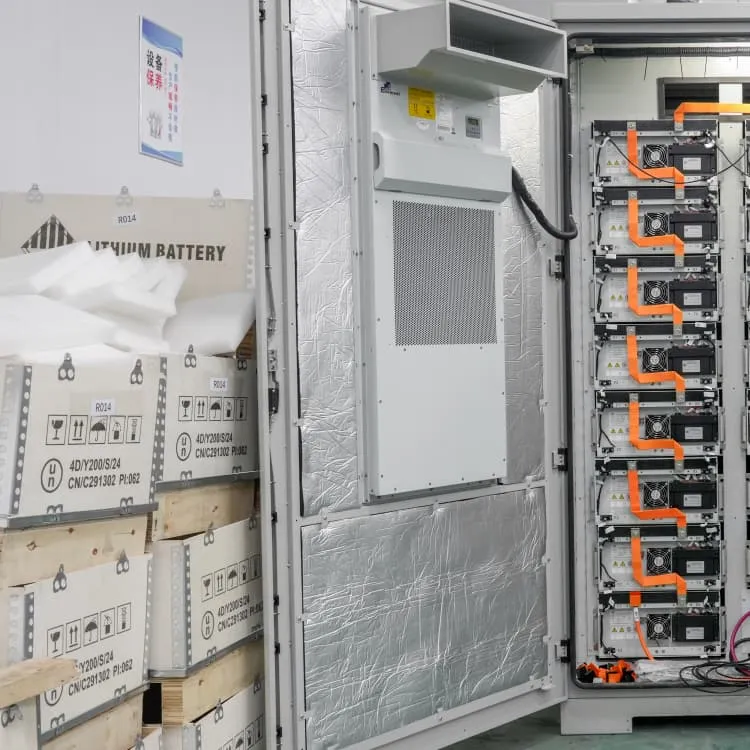
They help fill coverage gaps, improve network reliability, and handle high data traffic. In cities, more than 60% of 5G base stations are small cells, placed on rooftops, lampposts, and building facades. These mini base stations are crucial for delivering consistent 5G speeds in crowded areas like stadiums, shopping malls, and business districts.
In data collected between July 2022 and June 2024, China was reported to have had around 3.5 million 5G base stations installed across the country, with Chinese mobile operators investing heavily in 5G infrastructure. By comparison, the European Union had around 460,000 thousand base stations, while the United States had approximately 175,000.
By 2026, private 5G networks are expected to drive the need for an additional 500,000 base stations worldwide. Large enterprises, factories, and industrial zones are adopting private 5G to support automation, robotics, and AI-driven processes.
"More wireless infrastructure is a big part of that successful launch as key federal infrastructure siting reforms continue to pay dividends by easing barriers to deployment. By the end of 2021, there were 418,887 operational cell sites across the nation. And that doesn't account for all the new 5G base stations added to existing cell sites."