Stay informed about the latest developments in skid-mounted PV systems, prefabricated photovoltaic containers, containerized energy solutions, and renewable energy innovations across Africa.

Solar air conditioning, or "solar-powered air conditioning", refers to any air conditioning (cooling) system that uses solar power. This can be done through passive solar design, solar thermal energy conversion, and photovoltaic conversion (sunlight to electricity).
Alternatively, solar air conditioning systems can integrate photovoltaic (PV) technology to generate electricity for powering conventional electric air conditioning units. PV-powered systems are straightforward in design and can be installed as standalone units or integrated into existing HVAC systems with minimal modifications.
Solar air conditioning systems can be particularly beneficial for both residential homes and commercial buildings. For homeowners, installing a solar AC system can lead to long-term savings on electricity bills while reducing their carbon footprint.
A solar air conditioner combines solar electricity and air conditioning. In simple words, it takes energy from the Sun and uses it to power your AC to cool your space! A solar panel is a device that captures the power of the Sun. It converts the Sun rays into electrical energy. This energy can then be used directly or stored in a battery.
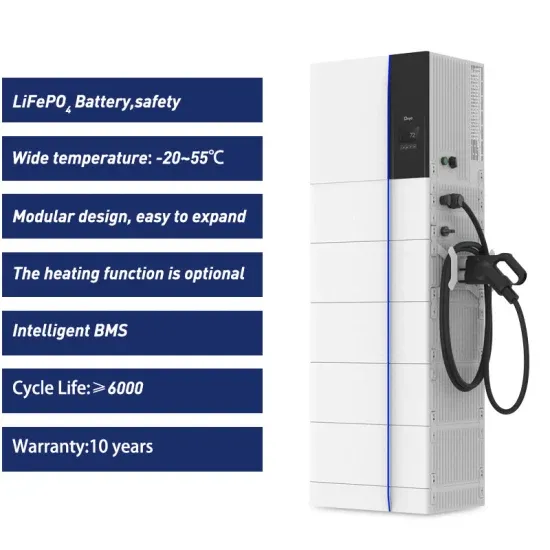
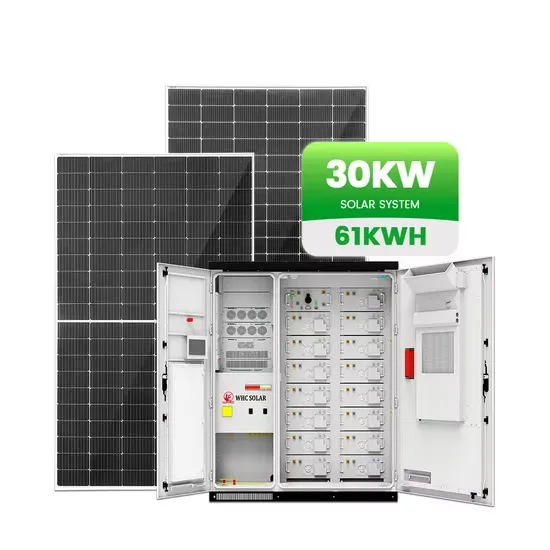
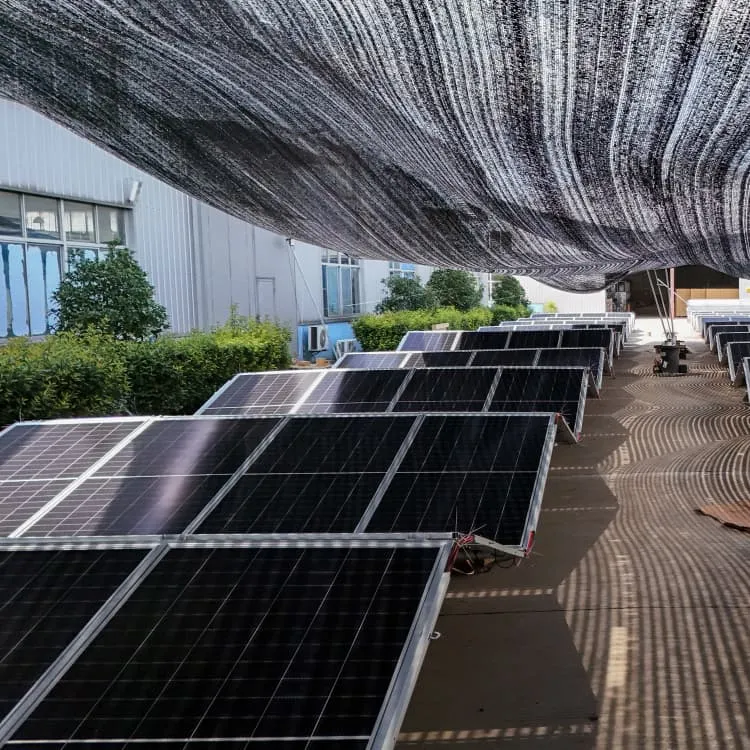
In recent decades, renewable energy efforts in Liechtenstein have also branched out into solar energy production. Most solar energy is generated by photovoltaic arrays mounted on buildings (usually roofing), rather than dedicated solar power stations.
Energy production from renewables consisted of 27,71 % hydropower production (8,91 % imported and 18,80 % domestic), as well as 4,76 % produced domestically from solar energy. Liechtenstein's overall energy production from renewables consisted of 8,91 % imports and of 23,56 % domestic, non-export production.
Liechtenstein has used hydroelectric power stations since the 1920s as its primary source of domestic energy production. By 2018, the country had 12 hydroelectric power stations in operation (4 conventional/pumped-storage and 8 fresh water power stations). Hydroelectric power production accounted for roughly 18 - 19% of domestic needs.
Lawena Power Station is the oldest in the country, opened in 1927. The power station underwent reconstructions in 1946 and 1987. Today, it also includes a small museum on the history of electricity production in Liechtenstein. Samina Power Station, currently the largest of the domestic power stations, has been operational since December 1949.