Stay informed about the latest developments in skid-mounted PV systems, prefabricated photovoltaic containers, containerized energy solutions, and renewable energy innovations across Africa.


Lithium-iron phosphate batteries officially surpassed ternary batteries in 2021, accounting for 52% of installed capacity. Analysts estimate that its market share will exceed 60% in 2024. The first vehicle to use LFP batteries was the Chevrolet Spark EV in 2014. A123 Systems made the batteries.
Multiple lithium iron phosphate modules are wired in series and parallel to create a 2800 Ah 52 V battery module. Total battery capacity is 145.6 kWh. Note the large, solid tinned copper busbar connecting the modules. This busbar is rated for 700 amps DC to accommodate the high currents generated in this 48 volt DC system.
Lithium iron phosphate modules, each 700 Ah, 3.25 V. Two modules are wired in parallel to create a single 3.25 V 1400 Ah battery pack with a capacity of 4.55 kWh. Volumetric energy density = 220 Wh / L (790 kJ/L) Gravimetric energy density > 90 Wh/kg (> 320 J/g).
Negative electrodes (anode, on discharge) made of petroleum coke were used in early lithium-ion batteries; later types used natural or synthetic graphite. Multiple lithium iron phosphate modules are wired in series and parallel to create a 2800 Ah 52 V battery module. Total battery capacity is 145.6 kWh.
In recent decades, renewable energy efforts in Liechtenstein have also branched out into solar energy production. Most solar energy is generated by photovoltaic arrays mounted on buildings (usually roofing), rather than dedicated solar power stations.
Energy production from renewables consisted of 27,71 % hydropower production (8,91 % imported and 18,80 % domestic), as well as 4,76 % produced domestically from solar energy. Liechtenstein's overall energy production from renewables consisted of 8,91 % imports and of 23,56 % domestic, non-export production.
Liechtenstein has used hydroelectric power stations since the 1920s as its primary source of domestic energy production. By 2018, the country had 12 hydroelectric power stations in operation (4 conventional/pumped-storage and 8 fresh water power stations). Hydroelectric power production accounted for roughly 18 - 19% of domestic needs.
Lawena Power Station is the oldest in the country, opened in 1927. The power station underwent reconstructions in 1946 and 1987. Today, it also includes a small museum on the history of electricity production in Liechtenstein. Samina Power Station, currently the largest of the domestic power stations, has been operational since December 1949.
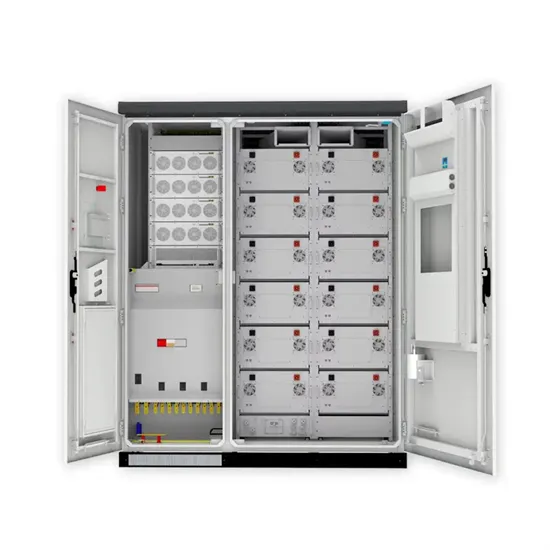
The battery in a solar generator is where the energy captured from the solar panel is stored for later use. Solar generators usually have lithium-ion or lead-acid batteries. Battery storage allows users to run the generator at night or on days with limited sunlight. The capacity of the batteries determines the duration of the generator.
When choosing the right size solar generator, keep in mind battery capacity and power requirements so that you can avoid overloading it. Most solar generators can keep portable electronics, smartphones, tablets, power tools, small appliances, and cordless tools powered up for hours.
Most solar generators can keep portable electronics, smartphones, tablets, power tools, small appliances, and cordless tools powered up for hours. However, to power larger loads like a refrigerator plus an air conditioner all day, you’ll likely need a higher-capacity solar whole-house generator.
Zendure’s SuperBase V is a rival to the Ecoflow Delta Pro, a large-capacity generator that can be daisy-chained with multiple battery packs and, in large configurations, can keep an entire home powered for extended periods, provided you have enough solar panels.
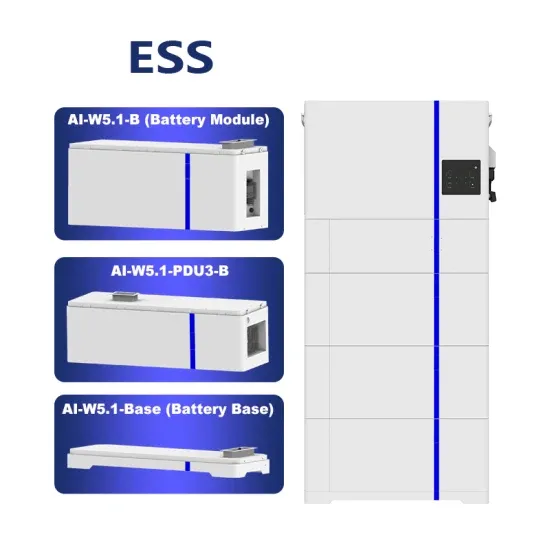
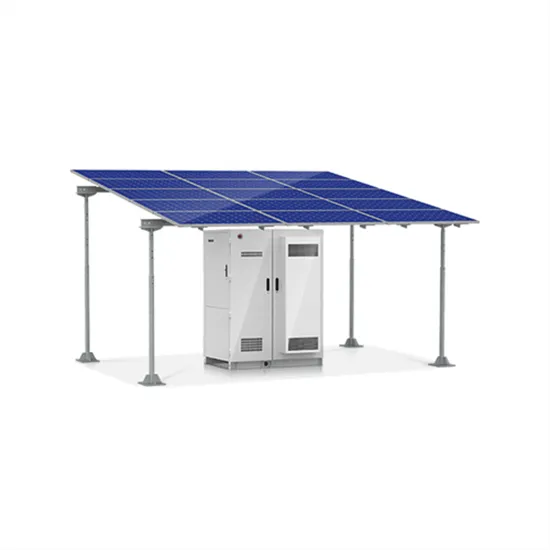
Amid global carbon neutrality goals, energy storage has become pivotal for the renewable energy transition. Lithium Iron Phosphate (LiFePO₄, LFP) batteries, with their triple advantages of enhanced safety, extended cycle life, and lower costs, are displacing traditional ternary lithium batteries as the preferred choice for energy storage.
Batteries with excellent cycling stability are the cornerstone for ensuring the long life, low degradation, and high reliability of battery systems. In the field of lithium iron phosphate batteries, continuous innovation has led to notable improvements in high-rate performance and cycle stability.
Lithium iron phosphate, as a core material in lithium-ion batteries, has provided a strong foundation for the efficient use and widespread adoption of renewable energy due to its excellent safety performance, energy storage capacity, and environmentally friendly properties.
The materials used in LiFePO₄ battery packs, such as iron, phosphorus, and lithium, are relatively non - toxic compared to some of the heavy metals and toxic chemicals used in other battery chemistries.