Stay informed about the latest developments in skid-mounted PV systems, prefabricated photovoltaic containers, containerized energy solutions, and renewable energy innovations across Africa.

With millions of base stations in operation, 5G networks generate an enormous amount of data. It’s estimated that 5G base stations worldwide produce more than 500 petabytes of data daily. This data includes network traffic, user behavior, and real-time analytics from connected devices. For telecom providers, managing this data is a major challenge.
While China leads in sheer numbers, the U.S. is making steady progress. By late 2023, the country had between 150,000 and 200,000 active 5G base stations. The deployment strategy in the U.S. is different from China’s, as it relies on private investment rather than government-led initiatives. Is this article too long?
South Korea is another leader in 5G adoption. With over 200,000 active base stations, the country boasts nearly 90% population coverage. This has made South Korea one of the most connected nations in the world, with advanced use cases in entertainment, healthcare, and finance.
The country has set an ambitious goal of deploying over 500,000 5G base stations by 2025, a target driven by telecom giants like Reliance Jio and Bharti Airtel. The Indian government has actively supported 5G expansion, conducting large-scale spectrum auctions and offering incentives for infrastructure development.
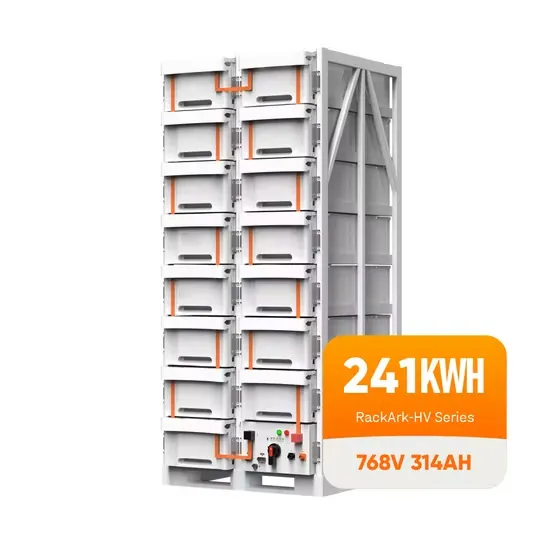
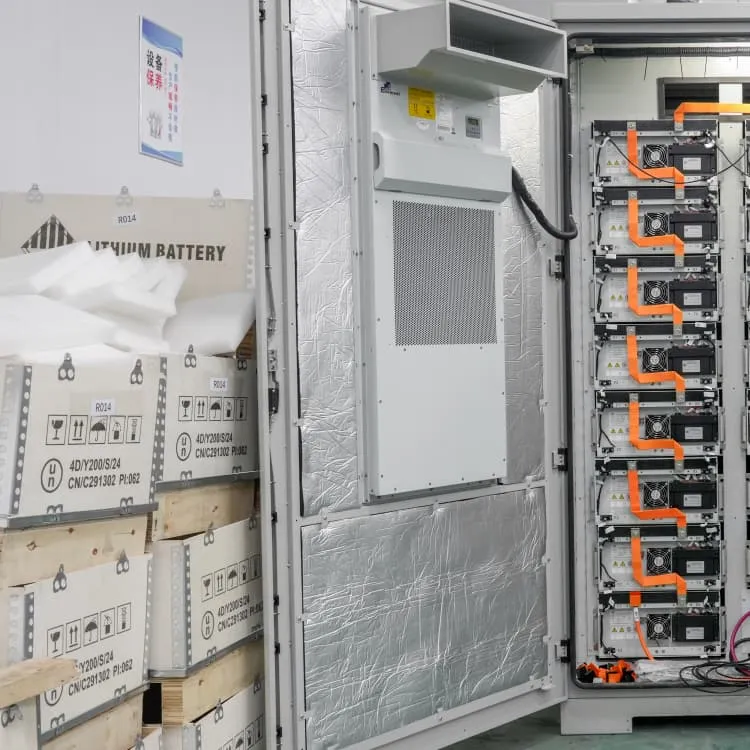
They help fill coverage gaps, improve network reliability, and handle high data traffic. In cities, more than 60% of 5G base stations are small cells, placed on rooftops, lampposts, and building facades. These mini base stations are crucial for delivering consistent 5G speeds in crowded areas like stadiums, shopping malls, and business districts.
In data collected between July 2022 and June 2024, China was reported to have had around 3.5 million 5G base stations installed across the country, with Chinese mobile operators investing heavily in 5G infrastructure. By comparison, the European Union had around 460,000 thousand base stations, while the United States had approximately 175,000.
By 2026, private 5G networks are expected to drive the need for an additional 500,000 base stations worldwide. Large enterprises, factories, and industrial zones are adopting private 5G to support automation, robotics, and AI-driven processes.
"More wireless infrastructure is a big part of that successful launch as key federal infrastructure siting reforms continue to pay dividends by easing barriers to deployment. By the end of 2021, there were 418,887 operational cell sites across the nation. And that doesn't account for all the new 5G base stations added to existing cell sites."
This is the list of the largest public listed companies in the Solar industry from China by market capitalization with links to their reference stock. 1. Trina Solar Co. Ltd 2. Shanghai Aiko Solar Energy Co. Ltd 3. Xinyi Solar Holdings Ltd 4. Arctech Solar Holding Co. Ltd 5. JinkoSolar Holding Co., Ltd. 6. Solareast Holdings Co. Ltd 7.
China is not just building solar farms; it is constructing energy-generating titans, behemoths of photovoltaic technology that are redefining the limits of renewable power. These projects, measured not in megawatts but in gigawatts, represent more than just a commitment to clean energy.
Hobq Solar Park 6. Otog Front Banner Solar Park 7. Midong Solar Park 8. Huanghe Hydropower Hainan Solar Park 9. Dau Tieng Photovoltaic Solar Power Project 10. Urumqi, Xinjiang Solar Power Facility Power generation. Integrated energy project.
Provinces like Xinjiang (home to the 5 GW and 3.5 GW facilities), Qinghai (Golmud and Gonghe Talatan parks), and Inner Mongolia (Hobq and Otog parks) are the new epicenters of global solar power. These areas offer two key ingredients for gigawatt-scale development: high solar irradiance and enormous tracts of sparsely populated, undevelopable land.
In 2023, BPC agreed to procure up to 600 MW of power generation from a yet-to-be-built coal-fired power station. Additionally, Botswana imports the bulk of its power from South African utility Eskom, and the rest from Nampower (Namibia), Zesco (Zambia), and the Southern African Power Pool (SAPP), to make up for any production shortfalls.
It was established in 1970 and is currently the only electricity supplier in the country. BPC represents Botswana in the Southern African Power Pool. Morupule Power Station (coal-fired) in Palapye supplies 80% of domestically generated electricity, however the country is dependent on importing energy from its neighbours.
Revised in April 2025, this map provides a detailed view of the power sector in Botswana. The locations of power generation facilities that are operating, under construction or planned are shown by type – including liquid fuels, gas and liquid fuels, coal, hybrid, hydroelectricity and solar.
Botswana Power Corporation (BPC) is a state-owned entity created by Act of Parliament in 1970. BPC is responsible for generating, transmitting and distributing electricity within the country to areas approved by the Ministry of Minerals, Green Technology and Energy Resources.