Stay informed about the latest developments in skid-mounted PV systems, prefabricated photovoltaic containers, containerized energy solutions, and renewable energy innovations across Africa.

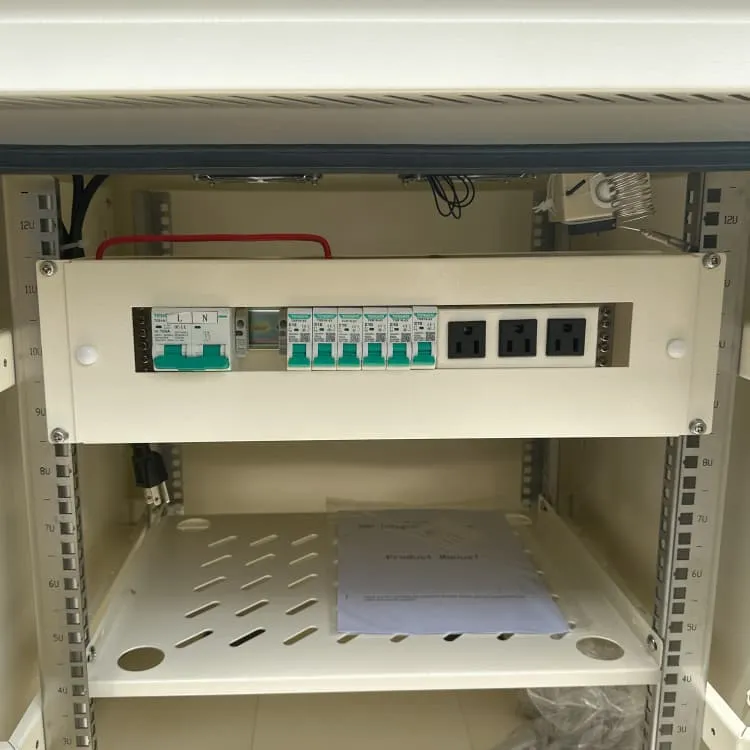
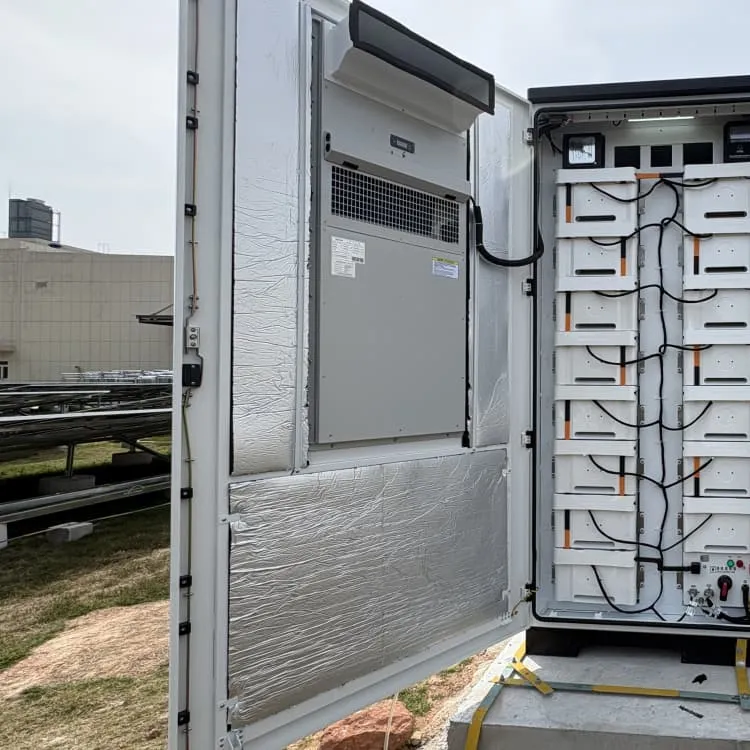
A base station is a critical component in a telecommunications network. A fixed transceiver that acts as the central communication hub for one or more wireless mobile client devices. In the context of cellular networks, it facilitates wireless communication between mobile devices and the core network.
A base station is fundamental in wireless communication, because it facilitates the connection between your device and the wider network. Without base stations, mobile data and voice services would be impossible, as there would be no infrastructure to handle the transmission of signals.
A base station represents an access point for a wireless device to communicate within its coverage area. It usually connects the device to other networks or devices through a dedicated high bandwidth wire of fiber optic connection. Base stations typically have a transceiver, capable of sending and receiving wireless signals;
Base stations are the critical components that enable mobile phones and other devices to connect to cellular networks. Here’s how they work in a typical mobile network: Signal Transmission and Reception: Mobile devices communicate with the nearest base station via radio waves.

Wind power is the use of wind energy to generate useful work. Historically, wind power was used by sails, windmills and windpumps, but today it is mostly used to generate electricity. This article deals only with wind power for electricity generation.
A wind turbine installation consists of the necessary systems needed to capture the wind's energy, point the turbine into the wind, convert mechanical rotation into electrical power, and other systems to start, stop, and control the turbine.
Solar and wind are available freely a nd thus appears to be a promising technology to provide reliable power supply in the remote areas and telecom industry of Ethiopia. The project aim generate and provide cost effective electric power to meet the BTS electric load requirement.
Wind energy penetration is the fraction of energy produced by wind compared with the total generation. Wind power's share of worldwide electricity usage in 2021 was almost 7%, up from 3.5% in 2015. There is no generally accepted maximum level of wind penetration.
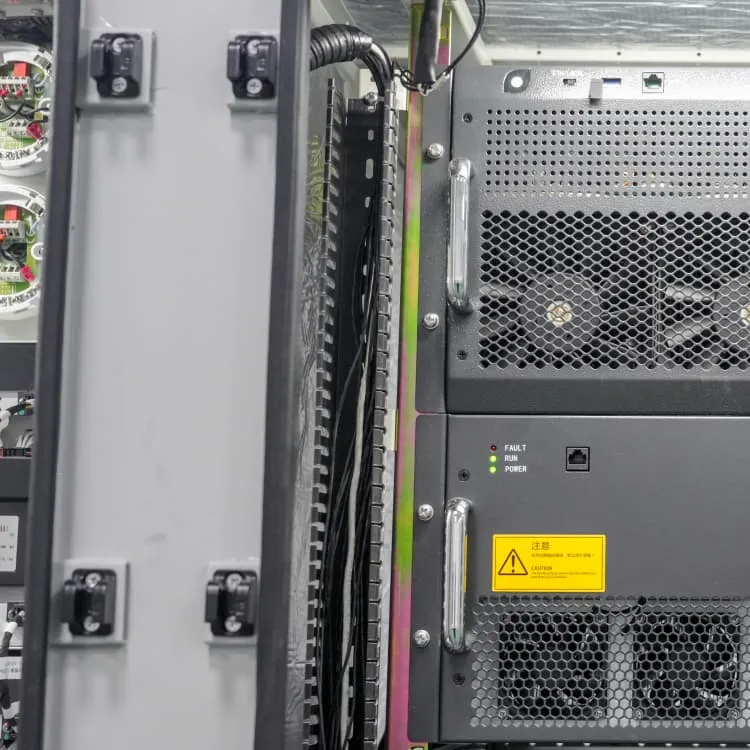
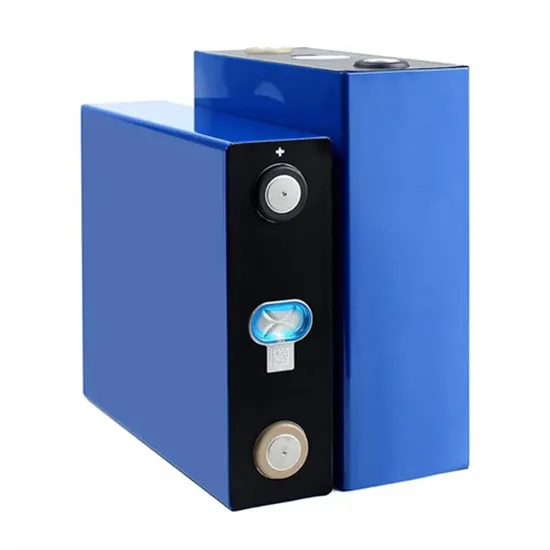
Brazil expects to have 1.2 million solar power generation systems in the year 2024. Solar energy has great potential in Brazil, with the country having one of the highest levels of insolation in the world at 4.25 to 6.5 sun hours/day. As of 2019, Brazil generated nearly 45% of its energy, or 83% of its electricity, from renewable sources.
Today, Brazil's distributed installed capacity has surpassed centralized power stations, accounting for 71% of the total installed capacity. The adoption of the distributed generation method has led to the vigorous development of distributed photovoltaic projects in Brazil.
Solar energy has great potential in Brazil, with the country having one of the highest levels of insolation in the world at 4.25 to 6.5 sun hours/day. As of 2019, Brazil generated nearly 45% of its energy, or 83% of its electricity, from renewable sources. For example, 60% of Brazil's electricity generation came from renewable hydropower.
Grid connection queues in Brazil are offering new opportunities for energy storage and hybrid systems and opening new energy business models. Renewable energy companies are adding solar and batteries to their utility-scale wind power sites to use existing power transmission capacity.